The Role of Visual Elements in Game Design
When players enter a casino, one of the first things they encounter is the vibrant and captivating visual elements of the games. Designers strategically use colors, symbols, and graphics to create an inviting atmosphere that entices players to engage more deeply with the games, including popular choices like online pokies , which add to the excitement and enjoyment. Bright colors like red and yellow can evoke excitement and urgency, while cooler colors like blue and green can evoke calmness. These visual cues not only attract attention but also subtly influence players’ emotions and decision-making processes.
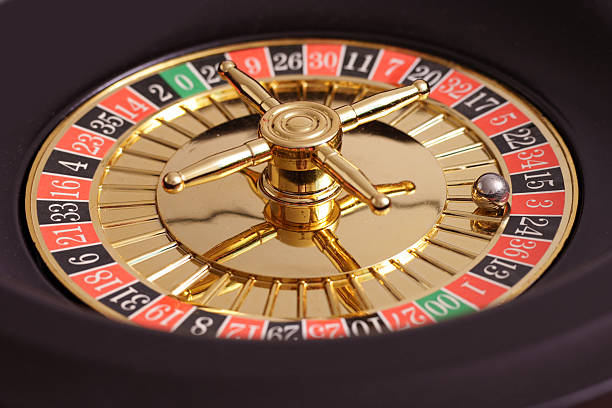
Furthermore, the aesthetic presentation of games often aligns with players’ expectations. For instance, a game themed around ancient Egypt will likely employ hieroglyphics and pyramid imagery, blending cultural familiarity with engaging gameplay. This familiarity can evoke nostalgia or curiosity, increasing players’ willingness to try unfamiliar games. The artistry behind this design is not merely for decoration; it serves as a psychological trigger that can lead to prolonged playtime and enhanced enjoyment.
Another aspect of visual elements in casino game design is the use of feedback mechanisms, such as animations and flashing lights that respond to player actions. When players win, the screen erupts with colorful animations, reinforcing a sense of achievement. This instant gratification plays a crucial role in retaining player interest and encouraging them to continue playing. Overall, the thoughtful integration of visual elements is central to creating an engaging gaming experience that capitalizes on emotional and psychological triggers.
Sound Design: An Underestimated Factor
Sound design is an essential yet often overlooked aspect of casino game design that significantly impacts player engagement. The auditory elements, from background music to the sound effects of spinning reels, are meticulously crafted to enhance the gaming experience. Research indicates that certain sounds can trigger emotional responses, making players feel more immersed in the gameplay. For example, cheerful chimes accompanying wins can amplify the joy of victory, leading players to associate positive feelings with continued participation.
Moreover, the tempo of background music can influence the pace of play. Faster beats can encourage players to make quicker decisions, while slower tempos can create a more relaxed atmosphere. This manipulation of pace can be aligned with game mechanics; for instance, high-stakes games may employ faster tempos to increase the thrill, while casual games may feature slower, soothing sounds to prolong engagement. The strategic use of sound can therefore dictate not only the emotional engagement of players but also their betting behavior.
In addition, some casinos use soundscapes to create a sense of excitement and urgency in their environments. The sounds of coins dropping, cheers from nearby players, and the background hustle and bustle encapsulate a lively atmosphere that can draw in more players. This audio stimulation can create a compelling narrative around the gaming experience, leading players to associate more intense emotions with their time in the casino, further reinforcing their desire to stay and play.
The Psychology of Reward Systems
Reward systems in casino game design are grounded in psychological theories, particularly the concept of reinforcement. Casinos utilize various incentives to keep players engaged, such as bonuses and loyalty programs. These rewards are designed to trigger a dopamine release, the neurotransmitter associated with pleasure and motivation. For example, a player receiving a bonus after a series of losses may feel ecstatic and motivated to keep playing, believing that a win is just around the corner.
Another crucial aspect of reward systems is the concept of variable rewards, akin to the principles of operant conditioning. In this model, players experience unpredictable rewards that create anticipation and excitement. For instance, the occasional jackpot win amidst countless small payouts instills a hope that encourages continued play. This psychological strategy can lead to habitual gambling behavior, as players often chase the “big win” that may only occur sporadically.
Additionally, game designers are keenly aware of the impact of short-term vs. long-term rewards. Immediate rewards, like small payouts or free spins, keep players satisfied in the moment, while long-term incentives can promote loyalty and return visits. This balance helps to sustain player interest over time, as they feel continuously engaged and rewarded for their participation. By crafting compelling reward systems, designers tap into the psychology of desire, ensuring players remain captivated by the allure of potential wins.
User Experience and Its Impact on Player Engagement
User experience (UX) in casino game design is entirely dedicated to ensuring that players feel comfortable and entertained from the moment they interact with a game. Designers focus on user-friendly interfaces that facilitate intuitive navigation, ensuring that players can quickly understand how to play without frustration. A seamless experience reduces cognitive load, which allows players to immerse themselves in the game fully, enhancing their enjoyment and likelihood of continued play.
Moreover, the onboarding process for new players is critical in UX design. Tutorials and guided introductions are often incorporated to familiarize players with the rules and mechanics. These features are particularly significant for complex games where understanding the nuances can make the difference between enjoyment and confusion. The more accessible and engaging the introduction, the more likely players will commit to trying and ultimately returning to the game.
Another dimension of user experience in casino game design is the integration of social interactions. Many modern games offer multiplayer options or community features where players can connect with others. This fosters a sense of belonging and community, which can significantly enhance player engagement. By incorporating social elements into the design, casinos can psychologically capitalize on the power of social proof, encouraging players to participate more actively and frequently as part of a gaming community.
Understanding the Casino Environment: The Role of the Website
The online casino environment is unique, as it extends the principles of traditional casino design into the digital realm. The website serves as the first point of interaction for players, and its design is crucial in establishing trust and retention. A well-designed website features appealing graphics and a user-friendly interface that mirrors the engaging aesthetics found in physical casinos. This familiarity helps forge a connection, enticing players to explore the offerings further.
Moreover, the website plays a pivotal role in communication and information dissemination. Players should be able to access tutorials, game rules, and customer support seamlessly. This access not only aids in understanding the games but also builds confidence in players, reassuring them that they are supported while navigating through their gaming experience. A responsive website that meets players’ needs can significantly enhance their overall satisfaction.
Lastly, the website reflects the branding and values of the casino, reinforcing the emotional and psychological connections players develop. By incorporating loyalty programs and promotions, online casinos can ensure that players feel valued and appreciated. The effective use of branding elements establishes a psychological bond that encourages ongoing engagement. Thus, understanding the intricacies of the online casino environment is fundamental to retaining players and enhancing their gaming experiences.